
"Peru natural process"
400 article(s) found

Introduction to the characteristics of Peruvian Coffee Flavor description with delicious acidity and Grinding degree treatment
Peru is located in western South America, with a coastline of 2254 kilometers. The Andes runs from north to south, and the mountains account for 1% of the country's area. it belongs to the tropical desert region with a dry and mild climate. Peruvian coffee is mostly grown at the foot of the Andes, where it is rich in traditional Central American top coffee beans. Peruvian coffee beans grown in the central part of the country and Cusco in the south

The difference between ordinary organic Peruvian coffee and high quality organic Peruvian coffee
Following Cafe (official Wechat account vdailycom) found that ordinary organic Peruvian coffee has a huge difference compared with high-quality organic Peruvian coffee: relatively cheap beans are not only unimpressive in quality, but also often have obvious defects in cup products. Especially the grass flavor, overfermented flavor. Want to find a good secret

Peruvian coffee bean varieties have several Peruvian coffee bean flavor characteristics, sour and mellow taste.
Professional coffee knowledge exchange more coffee bean information please follow Coffee Workshop (Wechat official account cafe_style) Front Street-Peruvian Coffee introduction to Peru although the history and popularity of Peru is not prominent, but as a rising star in the coffee industry, the unique mellow fragrance with the mark of the Andes and the fragrance of the land, let countless travelers who did not intend to do so brighten up in front of their eyes and shout how fragrant it is! Its

Flavor characteristics of Peruvian coffee beans _ go to Peru to buy coffee powder or coffee beans _ Peruvian coffee bean price
Professional coffee knowledge exchange more coffee bean information please pay attention to the coffee workshop (Wechat official account cafe_style) Peruvian coffee beans have always been used as one of the stable mellow mixed beans of comprehensive coffee, which is relatively low-key in the coffee industry. However, as more and more people like the mellow taste of Peruvian coffee, Peruvian coffee beans have sprung up rapidly in the international market in recent years, winning international coffee awards.

Peruvian Cajamarca Cajamarca coffee flavor characteristics _ what is used to bake Peruvian coffee beans
Professional coffee knowledge exchange more coffee bean information please follow the coffee workshop (Wechat official account cafe_style) Peruvian coffee Cajamarca medium roast official recommended use device: Italian extra strong / Philharmonic pressure / V60 official flavor description: orange, lime, taffy, dried walnut when it comes to Peruvian coffee, the most likely association is organic certified coffee. Organic coffee from Peru

The Effect of Solarization on Coffee Coffee Solarization Process Flavor Description of Coffee
Professional coffee knowledge exchange More coffee bean information Please pay attention to coffee workshop (Weixin Official Accounts cafe_style) Most of the world's specialty coffee processing methods are roughly the same: manual picking of ripe cherries, pulp (fruit from seeds/coffee beans), fermentation, extensive washing, drying, grinding/sorting, export. But occasionally you'll come across a bag labeled Natural Process, Drying

Peruvian CENFROCAFE Coffee how about Peruvian coffee? How's the Peruvian coffee?
Peru is located in the west of South America, bordering with Brazil, Colombia and Bolivia, and the Pacific Ocean to the west. The coastline is 2254 kilometers long. The Andes range from north to south, and the mountains account for 1% of the total area of the country. Peruvian coffee is mostly grown along the eastern side of the Andes, mostly at an altitude of 1300 to 1850 meters above sea level, and a small number of producing areas are grown at about 2000 meters above sea level.

Which kind of coffee is the best in Peru
Following Cafe (official Wechat account vdailycom) found that the Beautiful Cafe opened a small shop of its own in Peru, located in western South America, with a coastline of 2254 kilometers. The Andes runs from north to south, and the mountains account for 1% of the country's area. it belongs to the tropical desert region with a dry and mild climate. Peruvian coffee is mostly grown at the foot of the Andes, where it is rich in traditional Central American tops.

Description of Peruvian Coffee Flavor characteristics of Grinding degree introduction to the taste of varieties treated in producing areas
Peruvian coffee cultivation history is not long, but as a rising star, Peruvian coffee is gradually opening up its popularity and entering the international market. Peru is located in western South America, with a coastline of 2254 kilometers. The Andes runs from north to south, and the mountains account for 1% of the country's area. it belongs to the tropical desert region with a dry and mild climate. Peruvian coffee is mostly grown at the foot of the Andes, where it is abundant.

Introduction to the description of Manor Flavor of Peruvian Coffee Bean
Peru is a huge and diversified land for them to produce a large number of different kinds of coffee beans, Peru can produce very high-quality Peruvian coffee. In general, these coffee beans have the gloss of Central America, but they are all packaged in South American flavor. High-quality organic venues do have more rural coffee characteristics. As long as these coffee beans keep adding interesting things

High quality and balanced Peruvian Coffee Flavor description Grinding degree taste treatment method record the baking degree of the manor
Peru is located in western South America, with a coastline of 2254 kilometers. The Andes runs from north to south, and the mountains account for 1% of the country's area. it belongs to the tropical desert region with a dry and mild climate. Peruvian coffee is mostly grown at the foot of the Andes, where it is rich in traditional Central American top coffee beans. Peruvian coffee beans grown in the central part of the country and Cusco in the south

What is the taste of Peruvian High Grown high-planting coffee beans? introduction to Peruvian coffee bean grading system
Professional coffee knowledge exchange more coffee bean information please follow the coffee workshop (Wechat official account cafe_style) Peru High Grown Peruvian high-planting coffee beans Peruvian coffee growing area is mainly located in the central Chanchamayo region, and the two most famous planting areas are Villa Rica and La Merced, respectively, with Typica Arabica as the main planting variety; Peruvian coffee
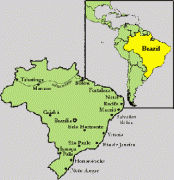
A brief introduction to the main coffee producing areas in South America and their well-known representative coffee flavor characteristics
For the exchange of professional baristas, please follow the coffee workshop (Wechat official account cafe_style) Brazil (Brazil) well-known representative coffee: Santos Brazil is the world's largest coffee producer, with the first total output in the world, accounting for about 1 gambit 3 of the global total output, mainly produced in the central and southern provinces. Brazil is a suitable area for growing coffee, with flat terrain and coffee plantations.

Introduction to the production area of grinding scale of Peruvian coffee beans by description of taste and flavor
Peruvian coffee bean characteristics, taste and flavor description method grinding scale production area introduction 1, coffee roasted coffee taste due to the type of coffee beans, grinding methods, roasting degree, quality is good or bad. The type of beans is an essential problem, but the grinding method and the degree of baking are subjective human factors. Basically, coffee is made through harvest selection, roasting and grinding.

Introduction of Coffee Flavor in different producing areas of South America
Well-known representative coffee: Santos Brazil is the world's largest coffee producer, with the first total output in the world, accounting for about 1% of the world's total output, mainly in the central and southern provinces. Brazil is suitable for growing coffee, the terrain is relatively flat, most coffee gardens are less than 1200 meters above sea level, and there is no shade from big trees, because the raw and ripe berries are harvested at the same time, so it is not a fine product.
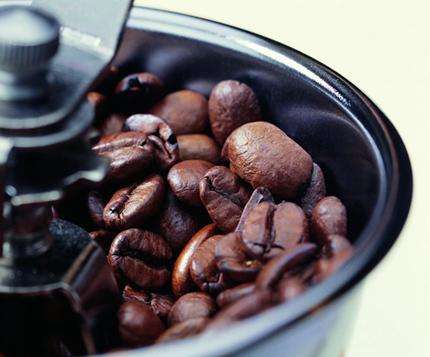
Peruvian highland organic coffee, what to pay attention to when buying organic coffee
Following Cafe Review (official Wechat account vdailycom) found that Peruvian Coffee, which opened a small shop of its own, tastes mellow, with the right acidity, strong aroma, smooth, layered, full-bodied and sweet, and is becoming more and more popular. Peru is the third largest coffee producer in South America after Brazil and Colombia, and the largest organic coffee in the world.

Introduction of Coffee Flavor and Taste planting Environment in Snow vein Manor, Bolivia
There are mainly light industries such as food processing, wine making, cigarettes, textiles and so on. Mining is an important part of the Bolivian national economy. It is an exporter of mineral products and is rich in mineral resources, including tin, antimony, tungsten, silver, zinc, lead, copper, nickel, iron and so on. It has proven oil reserves of 188 million barrels and natural gas of 1.13 trillion cubic meters. The forest area is 56 million hectares. Coca is grown in Bolivia

How to deal with the processing of single beans in Xuemai Manor? how to divide the grades of single beans in Xuemai Manor?
Professional baristas Please follow the Coffee Workshop (Wechat official account cafe_style) YUNGAS about 95% of Bolivia's coffee is produced in this region, which has enjoyed a high reputation in Europe in the past and recently. This area is the forest that extends to the east of the Andes, and in fact extends from Peru (Peru) to Peru through Bolivia.

Colombian Goddess Manor Coffee Flavor taste introduction to the characteristics of boutique coffee beans in the manor area
In 1823, at the request of the Peruvian Patriots and with the approval of Congress, Bolivar led Colombian troops into Peru to fight against the Spanish colonial army. In 1824, the Colombian and Peruvian coalition forces defeated the Spanish colonial army, and Peru gained independence. During the war with Bolivar's army in Peru, Santander took over as president and presided over the affairs of Colombia. Santander advocates building
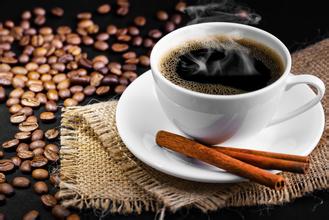
What are the main coffee producing areas? where is the origin of famous coffee?
Coffee comes from coffee beans, which are harvested and processed from the fruit of trees. Coffee trees grow at the center of the equator, between latitudes of 25 degrees south and north, and are called the homes of tropical or subtropical countries called coffee belts. At present, there are about 60 coffee-producing countries. Coffee is produced in South America, Central America, the West Indies, Asia, Africa, Arabia, the South Pacific and